Three Days in Beijing, China
Beijing was the first place I ever had the opportunity to visit that was outside of my own country. Full of history and culture so different to my own as a U.S. citizen, my love for travel was solidified with this trip to China. Overall, our tour of the country included stops in Dalian, Chongqing, Xian, Huangshan, Shanghai, and the Yangtze River – but first we started in Beijing. Below is our recommended travel guide.
*This post contains affiliate links, which means I may receive a small commission (at no extra cost to you) if you choose to make a purchase through the link. Thank you for your support – we hope you have a great trip!

Before we jump too far in, we also would like to point out that while we have set up this guide for you to explore Beijing on your own, we get that that is not for everybody – especially in a new place for the first time! If preferred, there are also group tours around the city that we have linked below. Happy traveling!
Beijing Highlights: Two Day Tour
Beijing Highlights: THREE Day Tour
Day One: Wangfujing Street, Tiananmen Square, Mausoleum of Mao Zedong, National Centre of Performing Arts, the Forbidden City, and Jingshan Park.
1. Wangfujing Snack Street
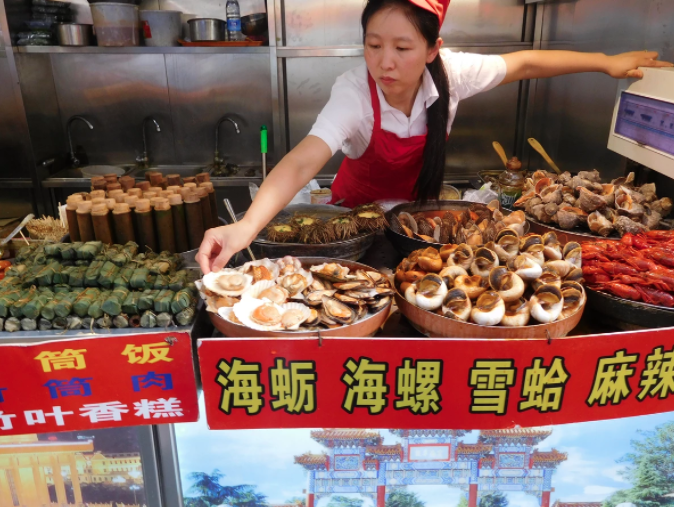
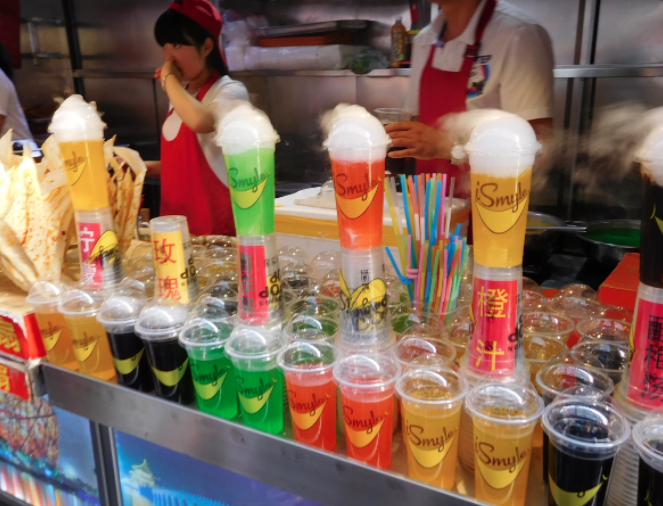
The first place we visited when we stepped off of the plane, Wangfujing Snack Street (王府井小吃街) is a great way to dive straight into Chinese food-culture, with many dishes available that starkly contrast western cuisine. Steamed buns. Baodu. Snake kebabs. Fried scorpions. I personally was not that adventurous, but with the (quite literally) lively array of unfamiliar snacks to choose from, Wangfujing Snack Street has become a popular tourist destination for those visiting Beijing.


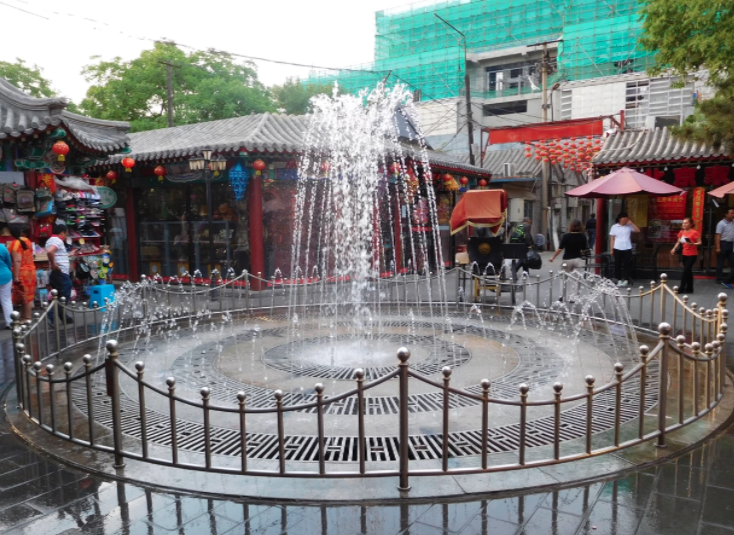
2. The Forbidden City
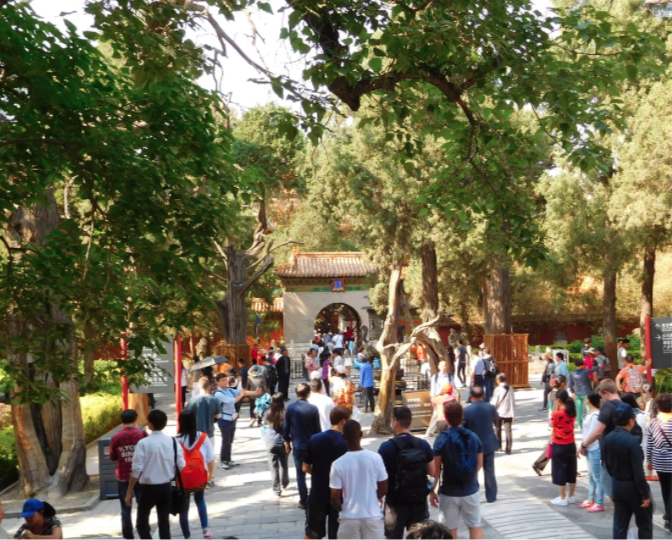
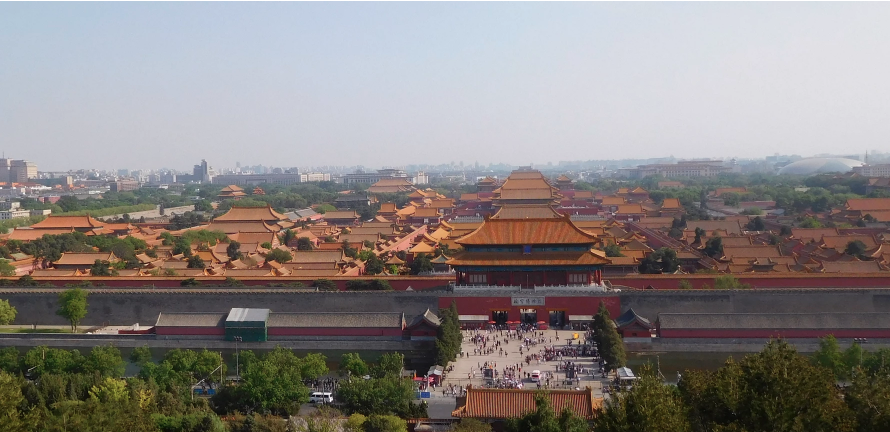
The Forbidden City (故宫), so named because it was originally forbidden for common citizens to enter, served as the imperial residence of the Chinese royal families when they were not vacationing at the Summer Palace. Located in the heart of Beijing, the Forbidden city is surrounded by both a 10-meter high wall and 52-meter wide moat meant to bar entrance to those who were not welcome. The Imperial Palaces of the Ming and Qing dynasties housed 24 emperors over the span of 500 years, and today the Forbidden City is also noted as another UNESCO World Heritage site.
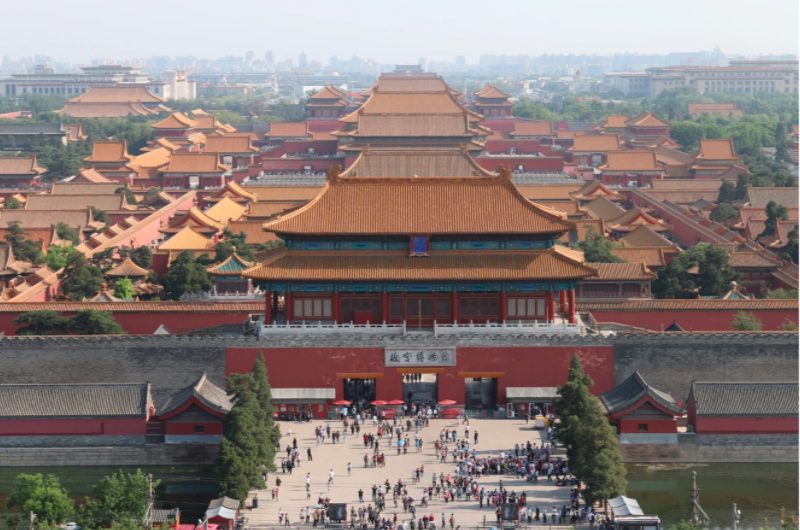
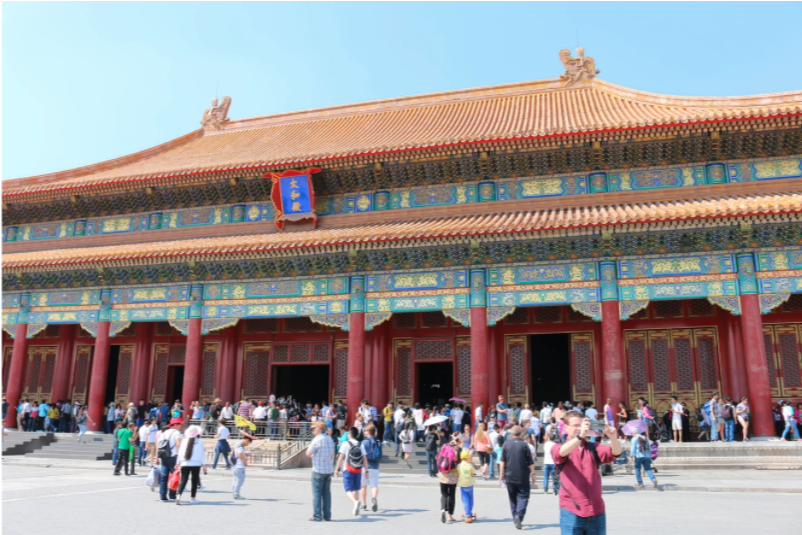
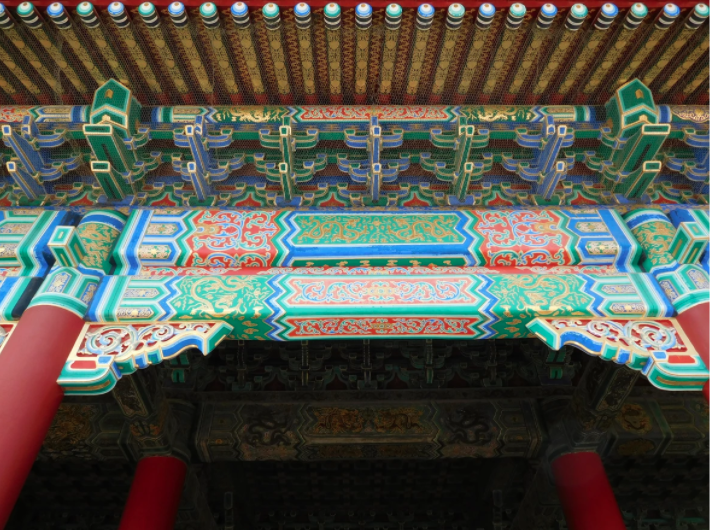
Entrance tickets to the Forbidden city cost 60 yuan (about $10 US dollars) for one adult during the busy season.
3. Jingshan Park
Right across from the Forbidden City is Jingshan Park (景山公园). Initially part of the imperial city, Jingshan Park was separated from the rest at the beginning of the 20th century to allow for new city infrastructure, landing the park on the outer limits of the Forbidden City’s walls. The temple at the top of the park’s central hill houses a large golden Buddhist statue and provides a great lookout over Beijing that showcases just how far the city stretches.

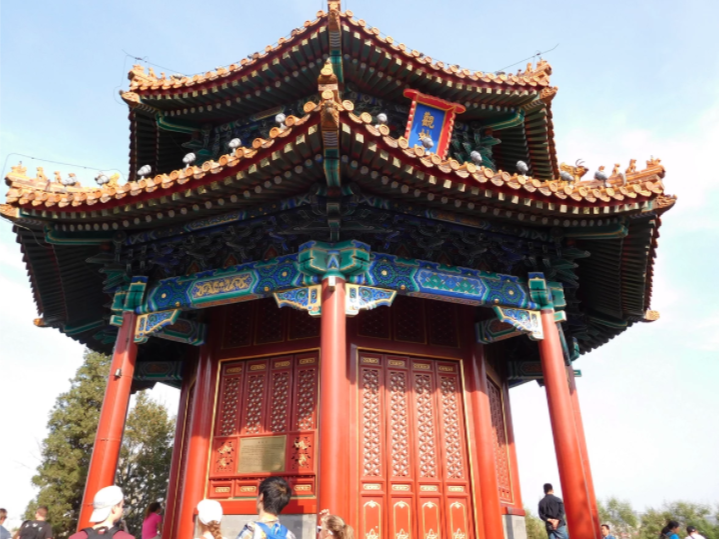
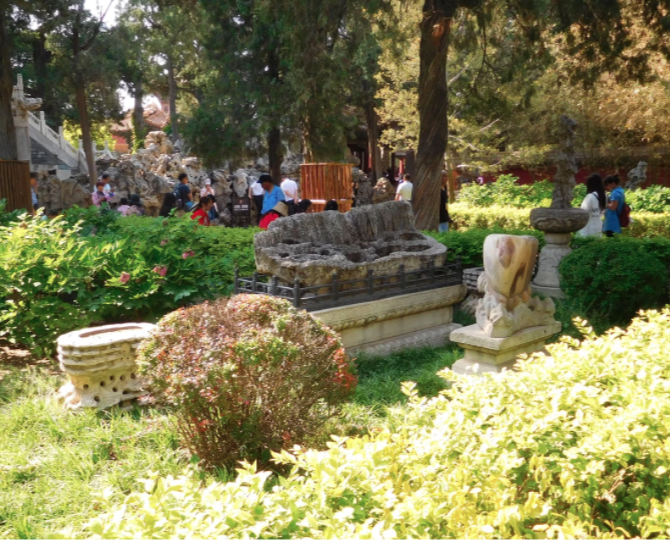
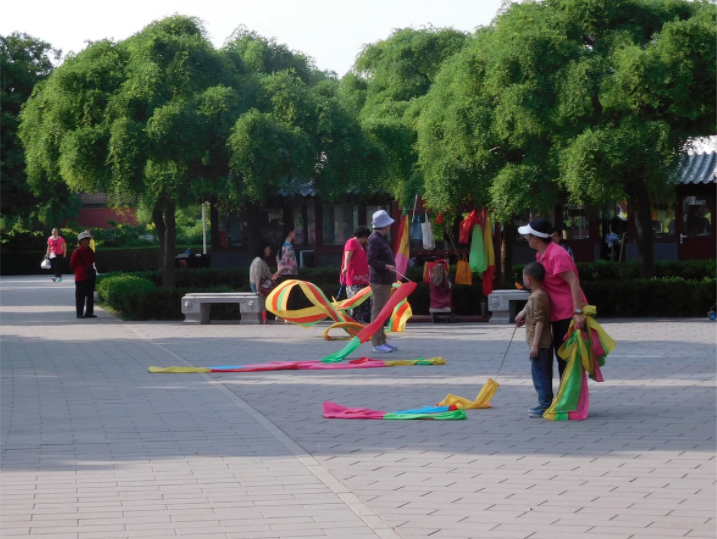
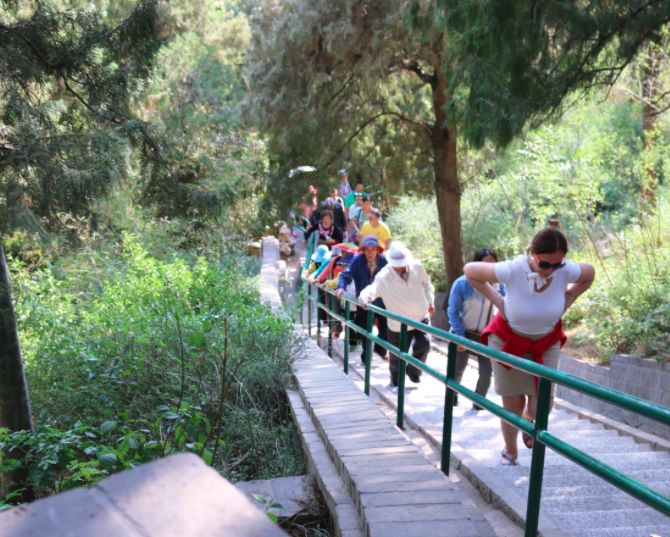



4. The National Center for the Performing Arts
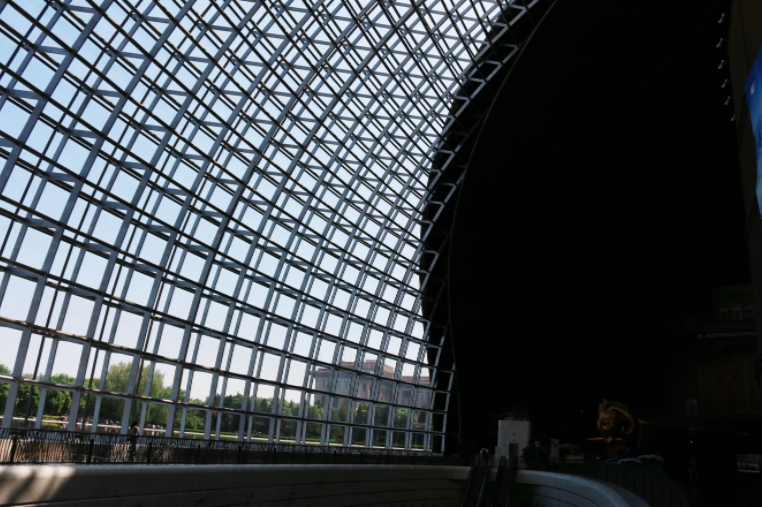
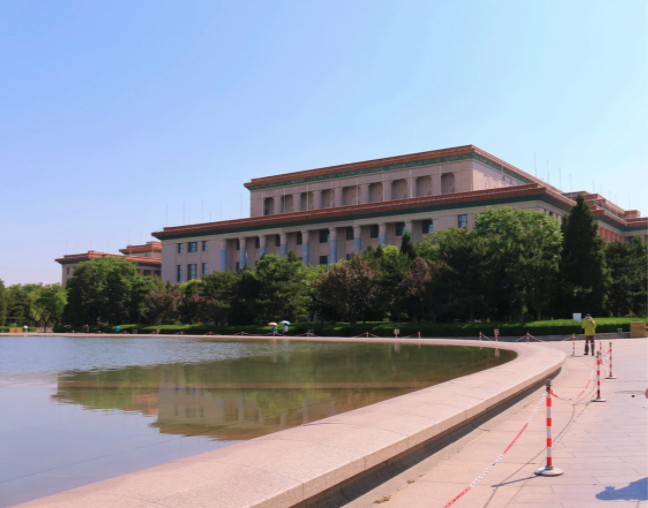
Looking to move on to something constructed in this century? The National Center for the Performing Arts (NCPA or “The Giant Egg” for short) was built in the early 2000s and is located adjacent to Tiananmen Square and the Forbidden City in the center of Beijing. One of the largest performing arts centers in the world, the NCPA houses an opera house, concert hall, theater, and exhibition spaces. A portion of the structure is also located underground, with transparent ceilings that look up to the pond above it.





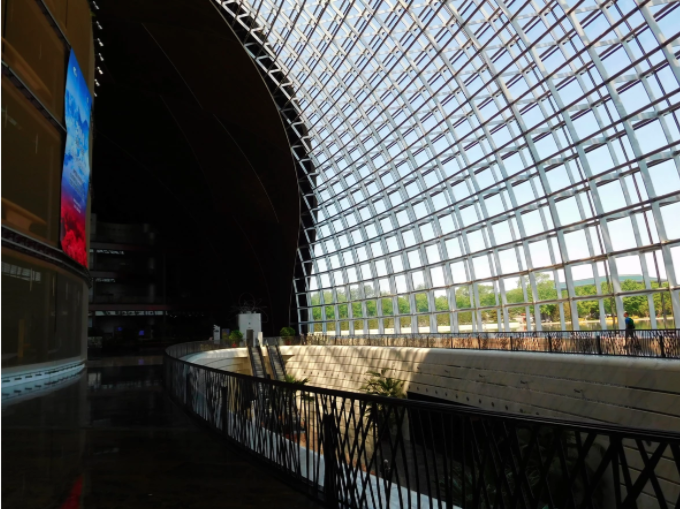
If there are no remaining seats available when you go to visit, the NCPA also offers walking tours through its halls and exhibitions. Adult tickets are 30 yuan (about $5 US dollars).
5. Tiananmen Square
Tiananmen Square (天安门广场) is the city square in the center of Beijing, filled with more historical relevance than I could ever fit into a blog post and well worth a visit for anyone interested in sites with great cultural impact.
Perhaps most notably, this city square was the location of the 1989 Tiananmen Square Protests. Initiated and lead by a group of students, these protests called for constitutional due process, freedom of the press, freedom of speech, and democracy in China. The group of activists grew in size through weeks of demonstrations, with upwards of a million people estimated to have shown support after about a month of protests. Martial law was soon declared by the Chinese government, and around 250,000 troops were mobilized to Beijing to address the activists. On June 4th and 5th, troops (accompanied by tanks) opened fire on the protesters with assault weapons. The number of victims is still unknown, but it is estimated that thousands of unarmed protesters were killed. It was from these protests that the iconic “Tank Man” photo resulted, still a well-known symbol of defiance today.
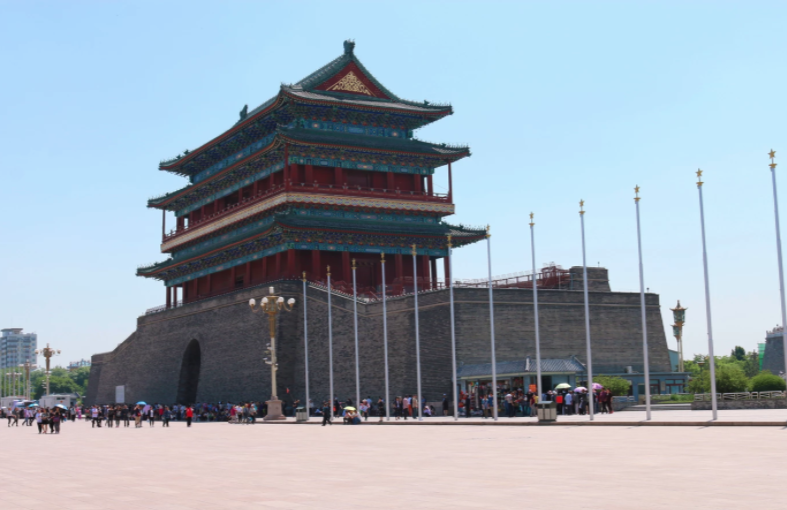
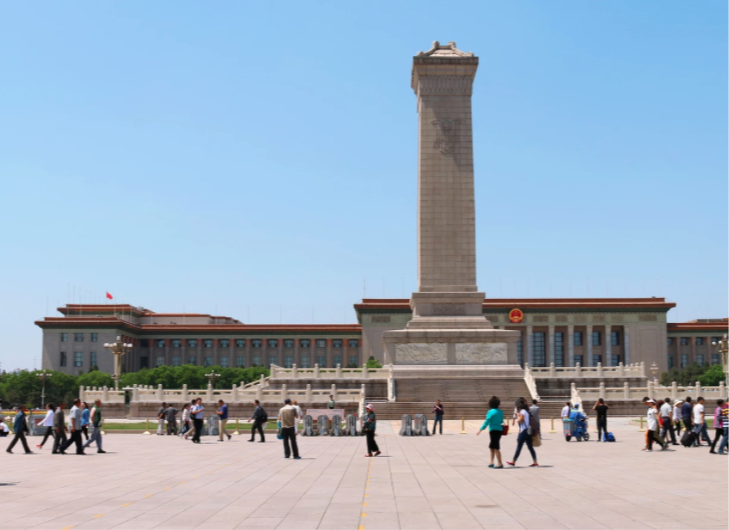

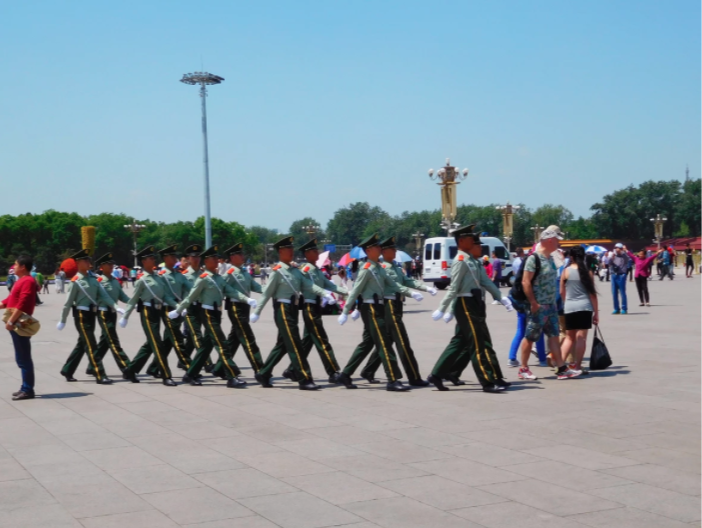
The location of another public display of history, Tiananmen Square is also home to the mausoleum of former Chairman to the Communist Party, Mao Zedong. Globally known for his extreme propaganda tactics and massive death tolls during the Cultural Revolution and Great Leap Forward, Mao Zedong is not as universally criticized within China itself. In fact, hundreds of citizens visit his tomb each day to pay their respects and bring the former chairman flowers. The atmosphere around the mausoleum is pointedly quiet.

The Mausoleum of Mao Zedong is free to enter, though there is security to get into the building.
Day Two: The Summer Palace, the National Museum of China, and Temple of Heaven Park
6. The Summer Palace
Originally exclusive to Chinese royal families during their “summer retreats,” the Summer Palace (颐和园) is now accessible to the public and remains the best way to escape into nature within the bounds of Beijing. Today it is known as one of the largest and best-maintained imperial gardens in the world, and was definitely one of my favorite places to get pictures. Developed to reflect the Chinese philosophy of creating balance between man and nature, the Summer Palace is marked as a UNESCO World Heritage site as a “masterpiece of Chinese landscape garden design.”


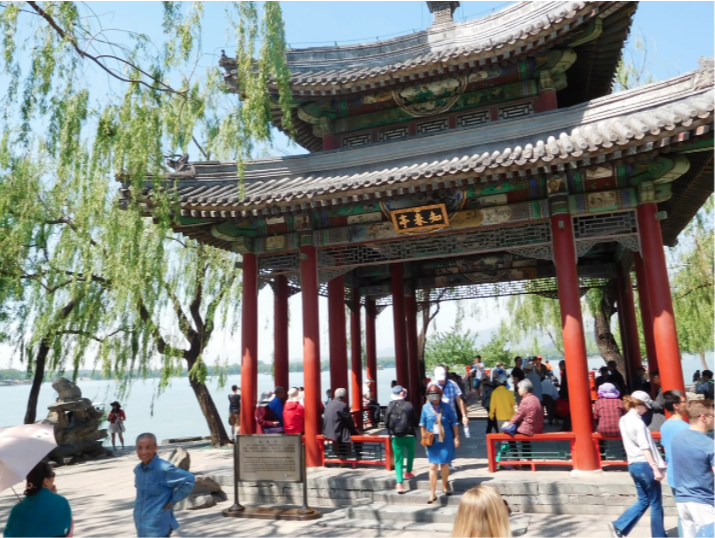
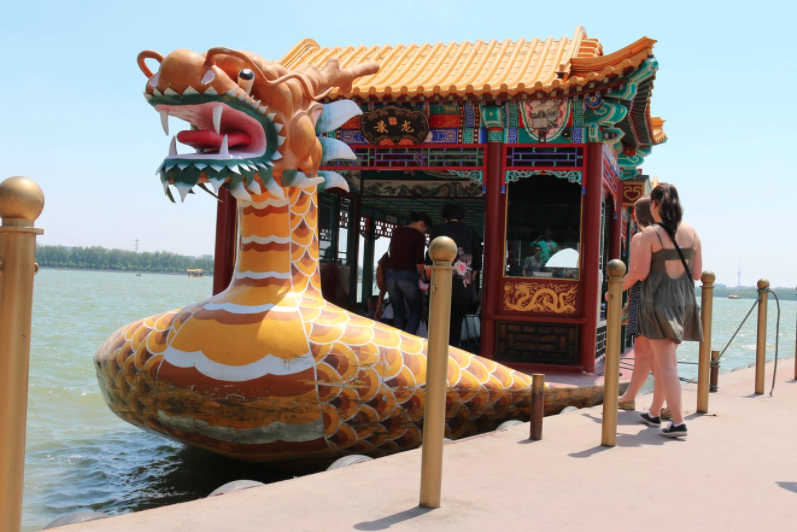
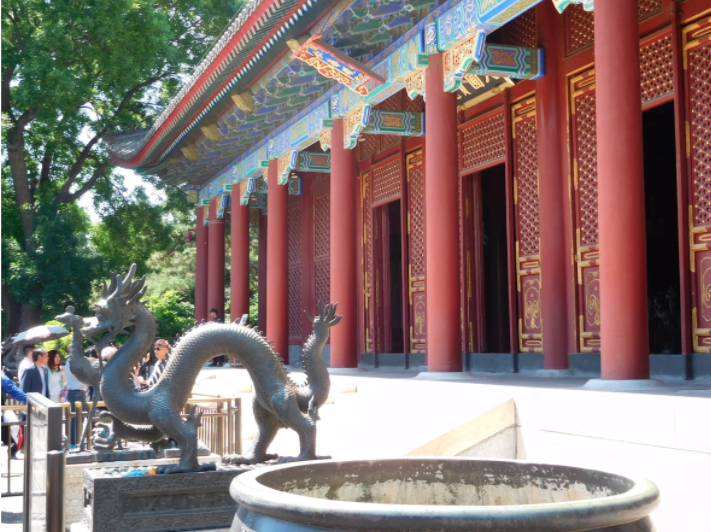

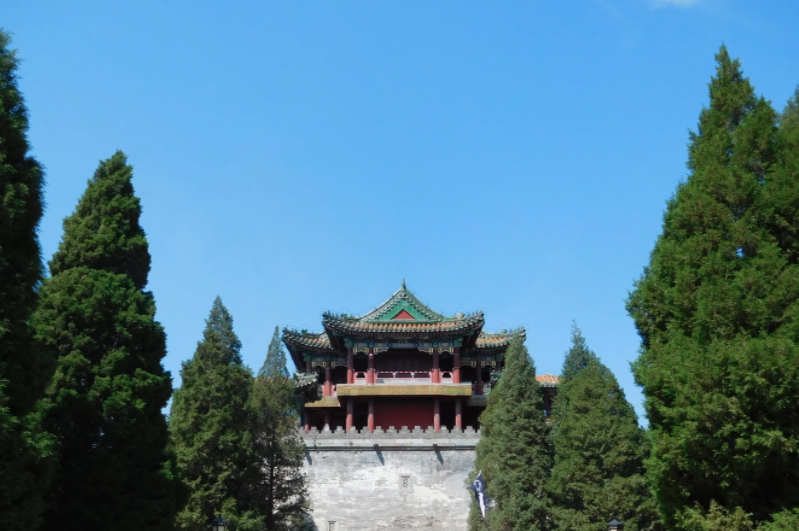


Entrance tickets to the Summer Palace cost 30 yuan (about $5 US dollars) during the busy season.
7. The Temple of Heaven Park
Another UNESCO World Heritage site, the Temple of Heaven (天坛) park is where the Ming and Qing dynasty emperors would perform ceremonies worshipping Heaven and praying for good harvests. The park is constituted of an altar complex of gardens and religious buildings and temples.
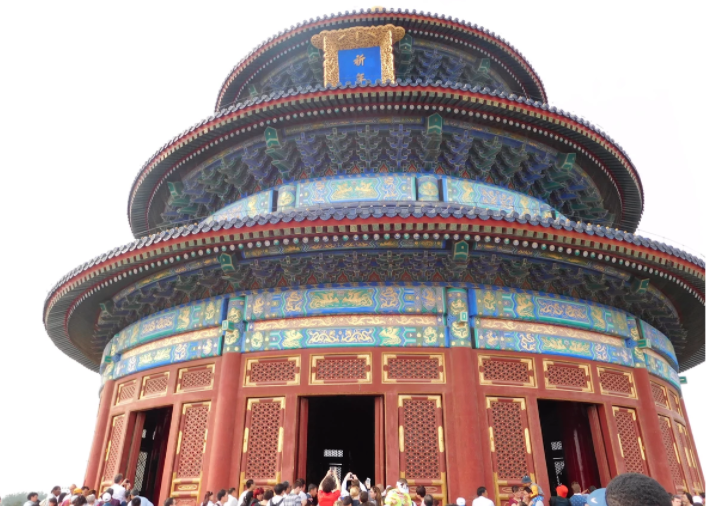
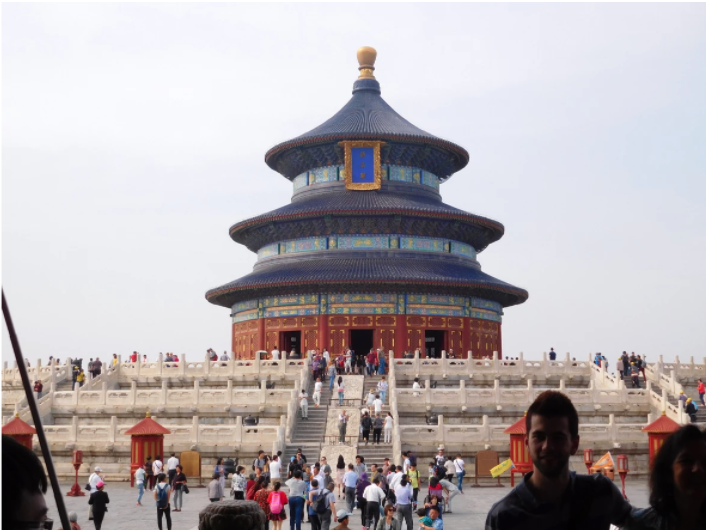
Entrance to the park is 15 yuan (about $3 US dollars).
8. The National Museum of China
The last stop to add to your second day in Beijing’s itinerary is the National Museum of China. This museum features the top collections of archeological displays, traditional culture, and Chinese history. The museum is open between the hours of 9:00 – 17:30 every day of the week but Mondays and admission is free!
Day Three: The Great Wall of China, the Bird’s Nest, and Silk Street
9. The Bird’s Nest
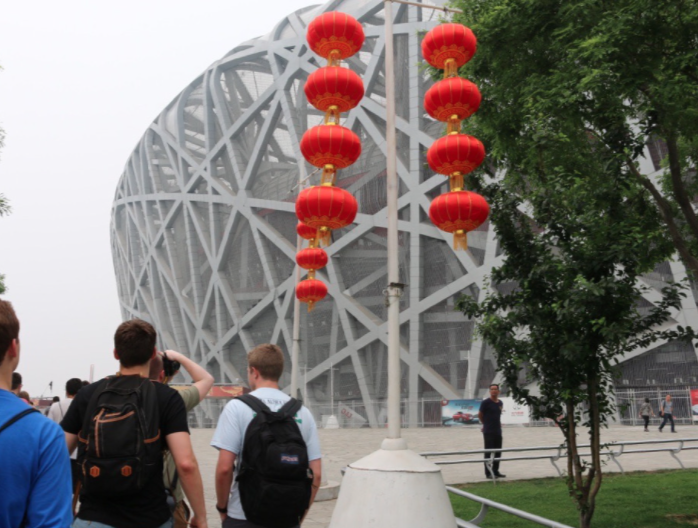
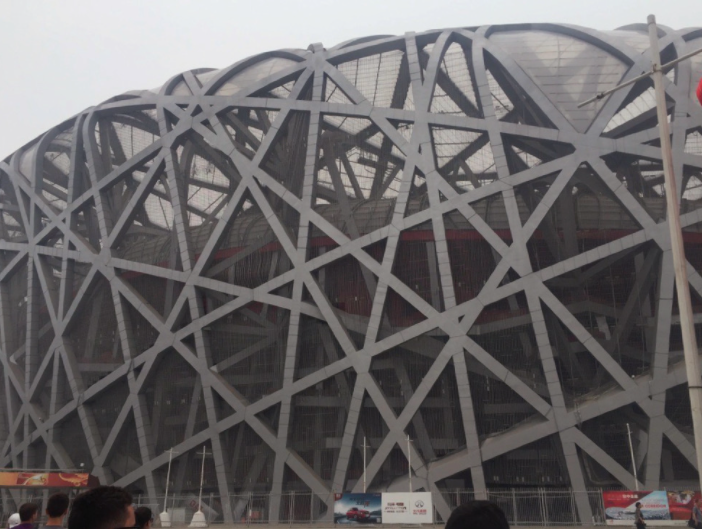
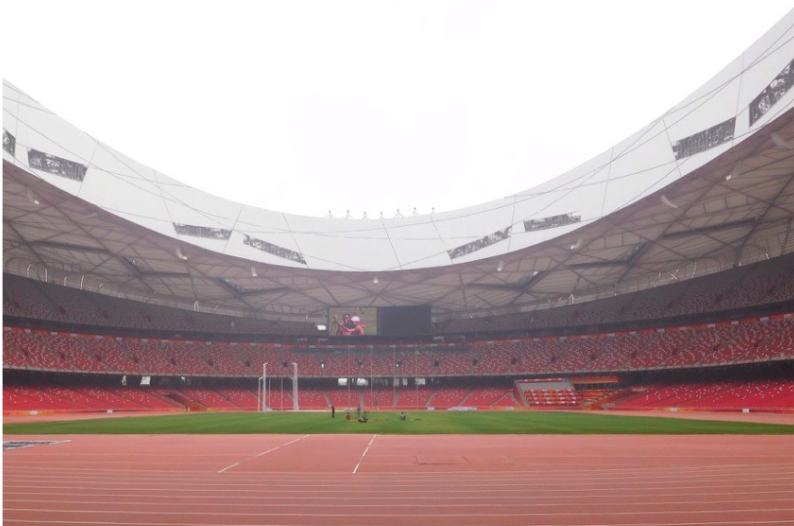
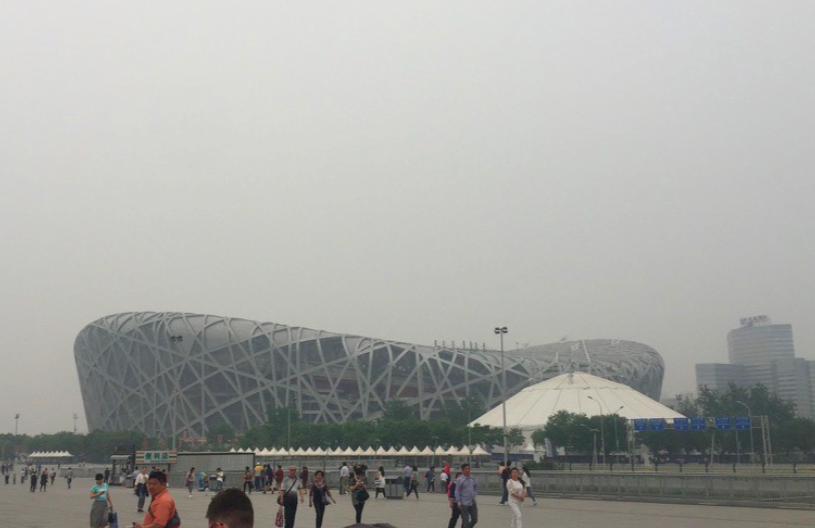
The Beijing National Stadium, also known as the Bird’s Nest (鸟巢), hosted the 2008 Olympic Games. Easily recognized by its architecture, the stadium’s design was actually chosen through a competition won six years before the city’s first time hosting. The round shape of the building is meant to represent heaven, and its distinct pattern is meant to resemble the Chinese crazed-pottery style. If you ever had “visit an Olympic stadium” on your bucket list, this is your chance to cross it off.


10. Silk Street
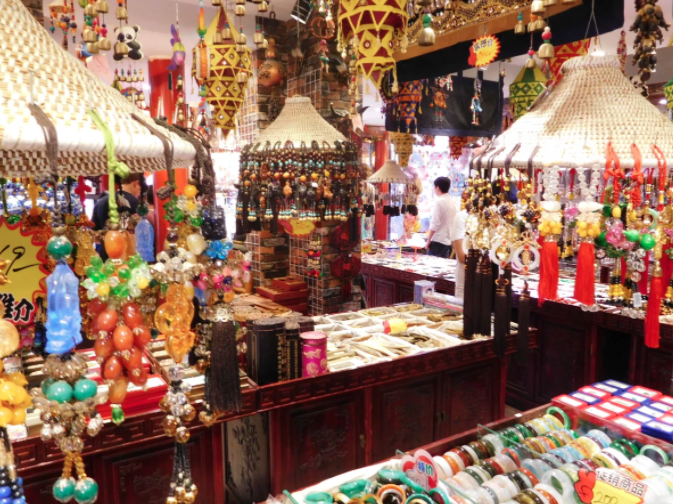
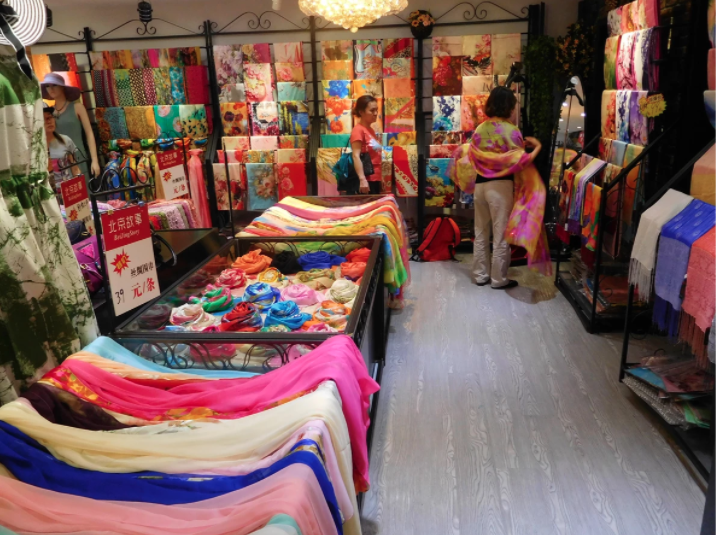
A great place to grab some souvenirs, the famous Silk Street & Pearl Market is a shopping mall that boasts hundreds of vendors. The store fronts range from local brands to large-scale global companies. If you do choose to treat yourself, try negotiating with the vendor! It is often common practice in the mall.
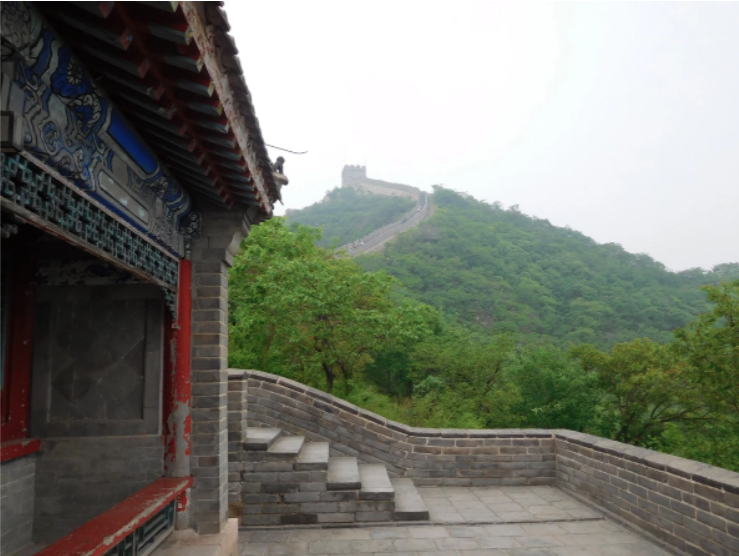
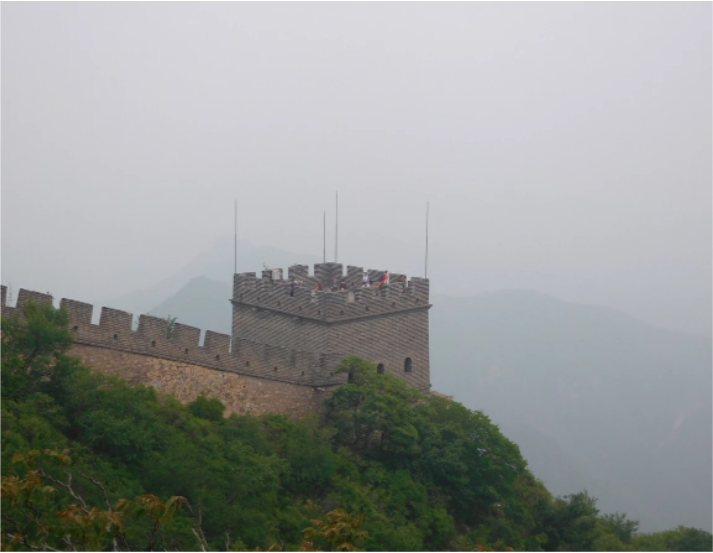
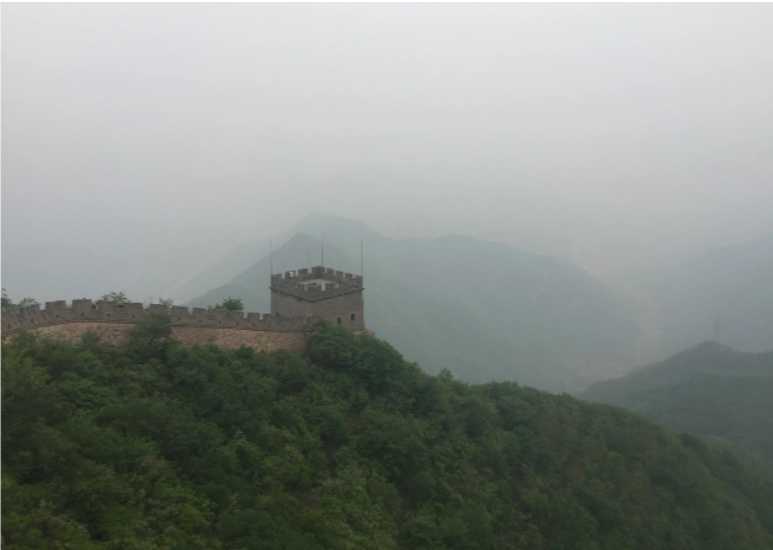
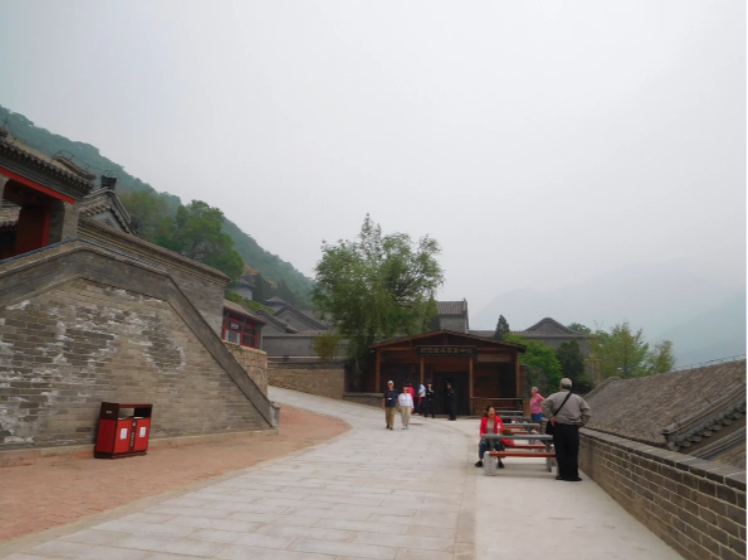
11. The Great Wall of China
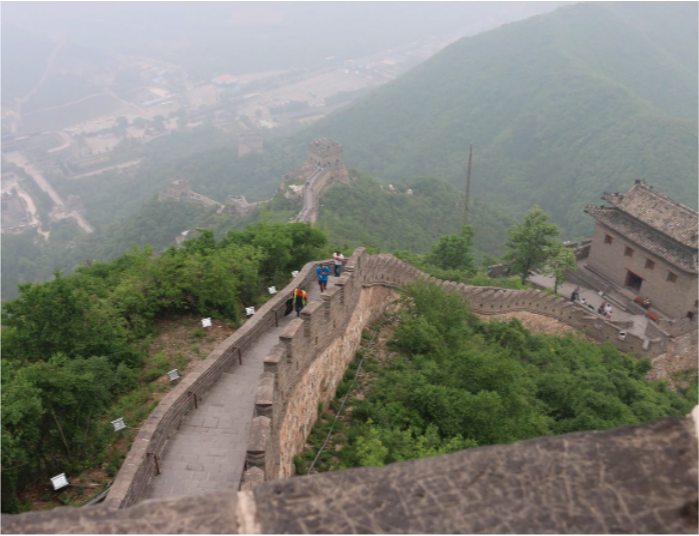
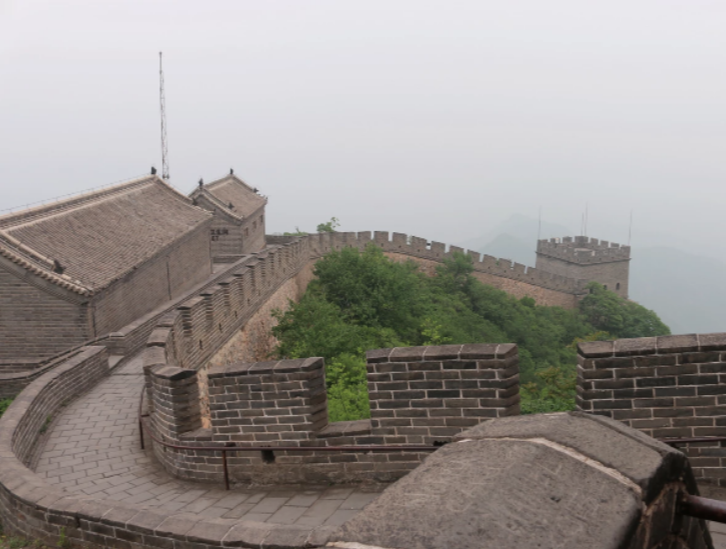
Last but obviously not least, the Great Wall of China. The Badaling section of the Great Wall is about an hour and a half’s drive from Beijing, but worth the trip. I’m not exactly sure what i was expecting to see before visiting, but the Great Wall definitely surpassed all expectations. The best word I can think to describe it as is “impressive.” Since the Wall is built atop steep mountains, be prepared for a workout if you choose to climb it – I was sweating heavily by the end of the public path (also beware that the steps are very uneven, so pay attention as you go).
Great Wall Tour
The Great Wall of China was declared as one of the New Wonders of the World in 2007. Entrance to the Badaling location costs 40 yuan (about $6.50 US dollars).


Where To Stay
Looking for a recommendation on where to stay while visiting Beijing? Check out these options below!
- Popular Hotel: The Peninsula Beijing
- Boutique: The Orchid Hotel
- Budget: The Happy Dragon Alley Hotel
More Like This
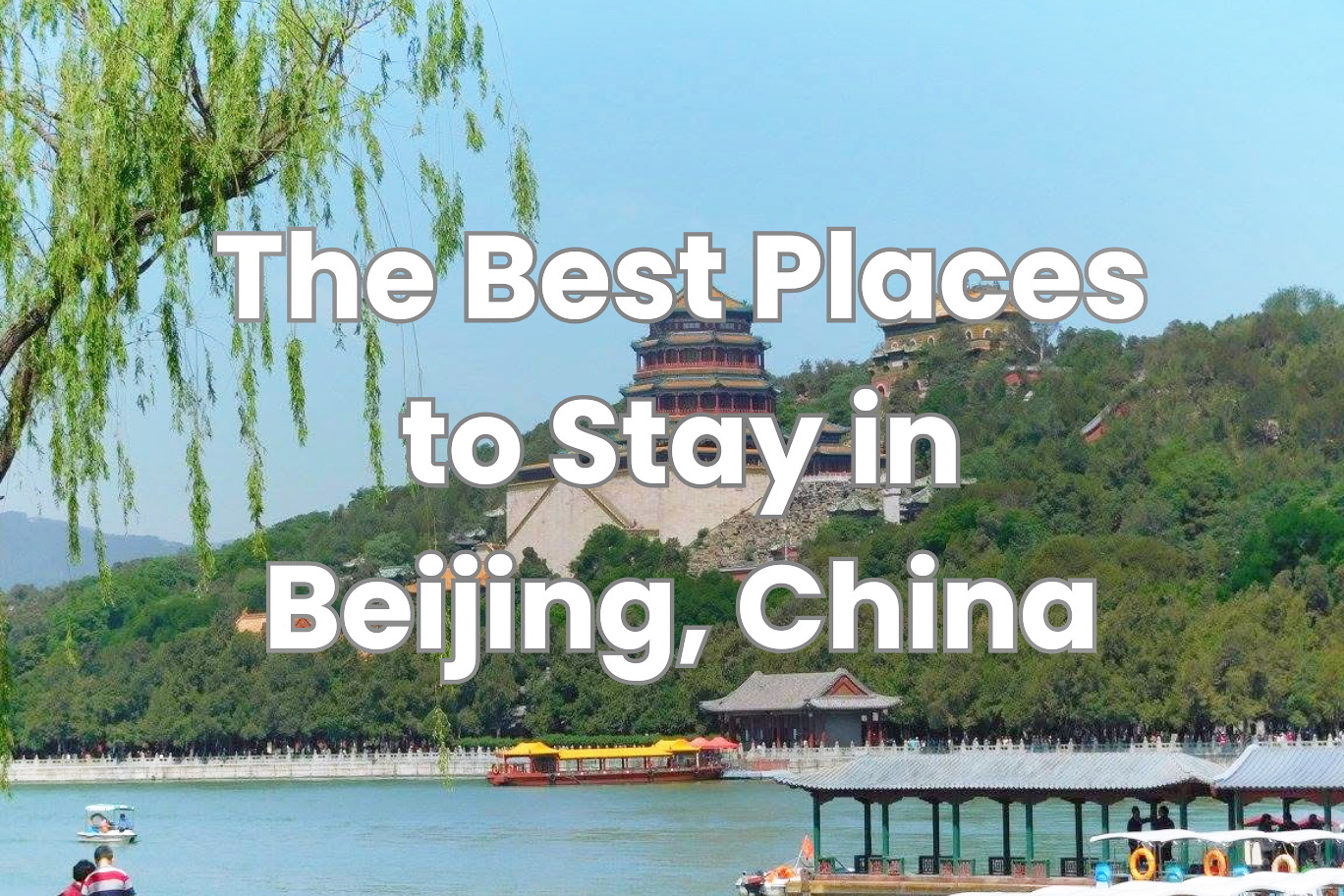
1. The Best Places To Stay in Beijing
Beijing is a vast city, sprawled out over miles and miles of land. It can be a bit overwhelming deciding where is the best place to stay in a city this size, so we …
2. The Best Tours from Beijing, China
Beijing is a great location to make the base for your visit to China, as it has so much to do in the city itself! We spent three nights there …

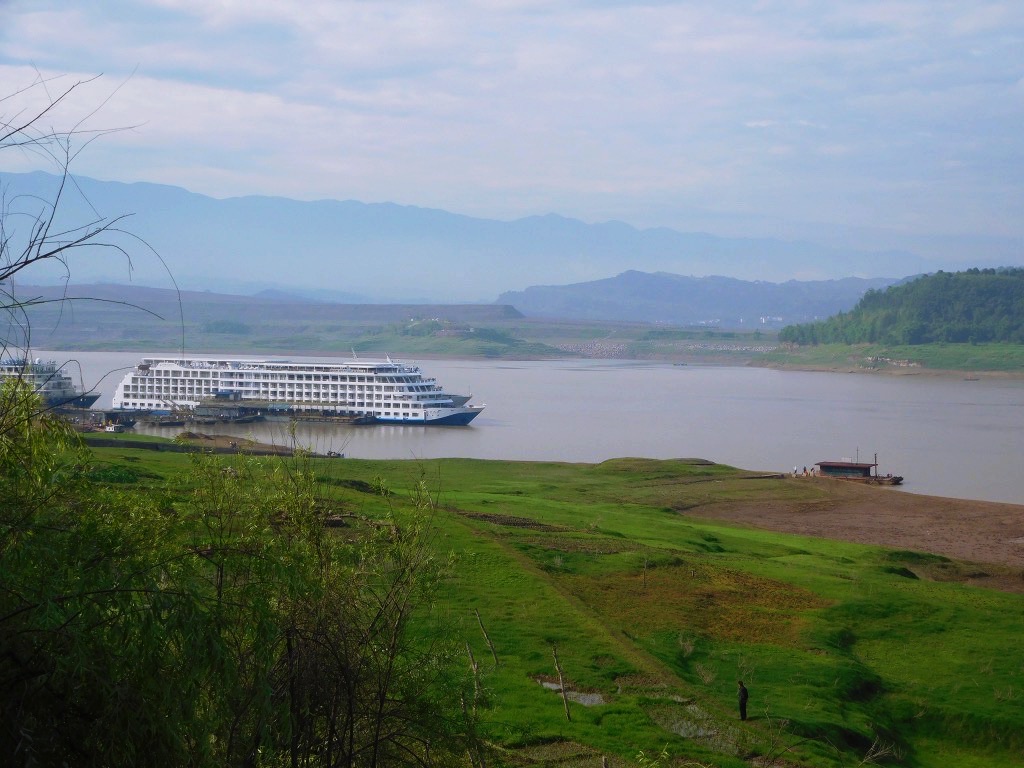
3. Yangtze River Cruise Review – Yichang to Chongqing
One of the most beautiful excursions we embarked on during our visit to China was a Yangtze River Cruise, sailing from Yichang to Chongqing …
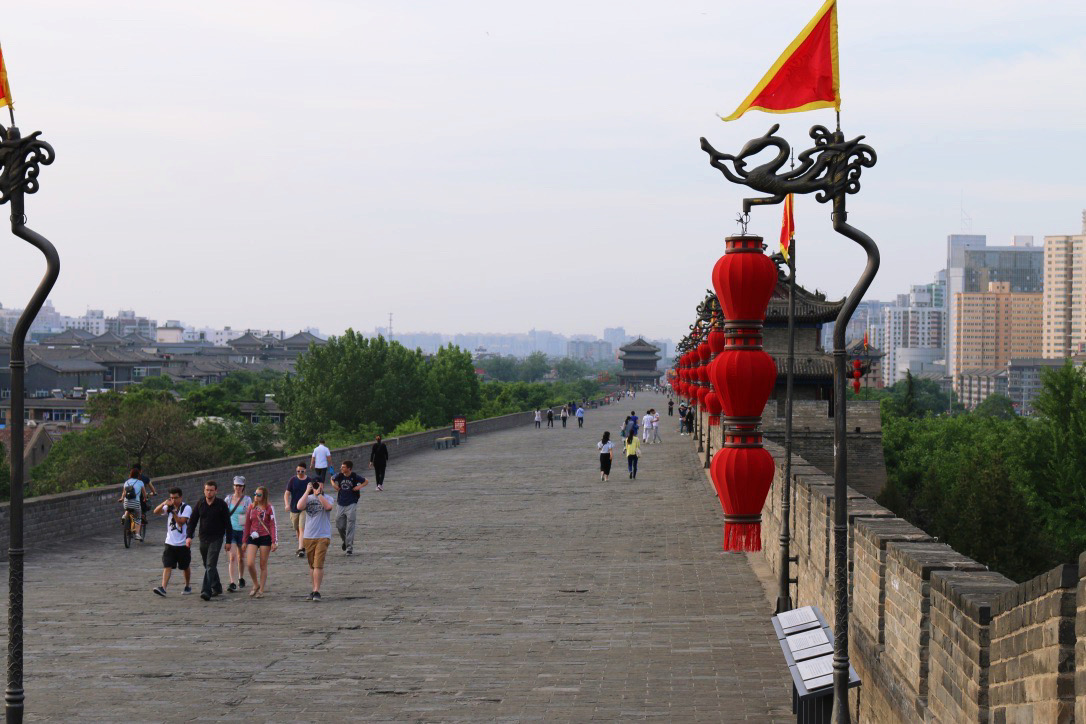
4. How To Spend One Day in Xi’an, China
Seville is by far the most underrated major city in Spain. The most common response from city residents when asked why they enjoy…
Liked this post? Save it for Later!
About the Author: Hi, I’m Jill! I am a biomedical & mechanical engineer who loves traveling during my free time. My hope is to help make it easier for others to plan their dream trips by providing firsthand experience from the places I’ve been! Read More.




Definitely can’t go to Beijing without seeing the Great Wall of China! I’d probably head to that snack street like you did first to dive right into the food here!
It’s a great way to start your trip off strong! 😊 thanks for reading!
What an experience! This is a perfect three-day itinerary for Beijing. So much history and beauty. I would love to see the Great Wall of China in person.
It’s very impressive – makes sense that it’s a world wonder! Thanks for reading 🙂
Such a great collection of attractions. I would of course never miss a chance to see the Great Wall but I must say the Summer Palace and Forbidden City both seem fascinating as well.
Yes they were some of my favorite stops! I hope you enjoy your visit! 😊
I was supposed to go to Beijing before the pandemic cancelled it. I can’t wait till it’s safe to visit!
Hopefully we can all start traveling safely again soon! Thanks for reading 🙂
I would love to go to Beijing in the future. The Great Wall of China has been on my bucket list for as long as I can remember. Thank you for sharing your guide about places to visit in Beijing too, I hope I can make it over there in the near future.
I’m sure you’ll have a wonderful time, thanks for reading!
My favourite thing about Beijing is the first on your list! Beijing was my first Chinese country I stepped into, and while I wasn’t so impressed with Beijing (other cities are super amazing too), I loved walking down the food street to see and try what they’re selling. :3
Yess I loved getting to visit the snack street, I’m glad you did too! 😊
I can’t wait to be able to try the street food in Beijing!
Wow! I would love to check out all your Beijing recommendations. You include something for everyone including the foodie, sports fan, and history buff. Definitely saving this for a future trip.
Thanks so much for reading 😊
I’ve always wanted to visit Beijing! My mom traveled China in the 80s and has so many amazing stories, her travels there had such an impact on her. Growing up hearing her stories has put China very high up on my bucket list!
That sounds awesome, I’m so glad she had a good experience! I hope you love it too 😊 Thanks for reading!
I think this would be such a unique city! I wonder how I’d go eating as a Vegan Lol Probably best I don’t visit the Snack Street Lol Thanks for sharing
Haha I also stuck to just veggies almost the entire trip – it’s tricky but doable! Thanks for reading 🙂
Excellent list of things to do in Beijing if one is there for only 3 days. I imagine you could spend A LOT more time there and still not run out of activities!
It’s definitely a huge city with ample to explore 😊 Thanks for reading!